 16 November 2026
What does a lack of transport control really cost?
Transport costs go beyond the freight rate. Discover 5 hidden transport costs and how better transport control can make them visible.

IDS, the 4PL non-asset Transportation Director, explains
When it comes to transport management, choosing a carrier involves much more than simply selecting the lowest rate. Reliability, capacity, quality and geographical coverage all play an important role. And particularly in chemical and ADR logistics, compliance is another crucial factor. Yet carrier selection is not always completely independent.
Within a 4PL model, this can be different. An independent 4PL provider does not operate its own trucks or other transport assets and therefore has no commercial interest in selecting one particular carrier. This makes it possible to select carriers based on what actually works best for a specific shipment, lane or transport network.
Independent carrier selection means choosing carriers based on predefined criteria. These can include price, performance, availability, reliability, transit time, sustainability and specific transport requirements.
An independent 4PL logistics provider can assess multiple carriers and transport modes. Instead of automatically allocating transport to a carrier that belongs to the same organisation, the focus is on finding the best fit.
This does not mean selecting a different carrier for every shipment. A stable carrier network with clear agreements remains important. Independence mainly means that decisions can be made objectively and reassessed when circumstances or requirements change.
For chemical and ADR logistics, carrier selection often involves additional criteria. Not every carrier has the right expertise, certifications, equipment or procedures to transport specific dangerous goods safely and in accordance with applicable regulations.
An independent 4PL provider can therefore look beyond costs and consider factors such as:
This helps create a carrier network that meets both operational and compliance requirements.
Independent carrier selection can also help organisations gain greater control over transport costs. Rates can be compared objectively while taking quality and performance into account.
After all, the cheapest carrier on paper is not necessarily the most cost-effective option. Delays, claims, exceptions and additional administrative work can ultimately result in higher total costs.
By continuously analysing transport data and carrier performance, the carrier mix can be improved over time. A carrier that performs particularly well on one lane, for example, may not automatically be the best choice for another destination or type of shipment.
Independent carrier selection therefore goes beyond booking transport. It becomes part of broader transport management and logistics orchestration.
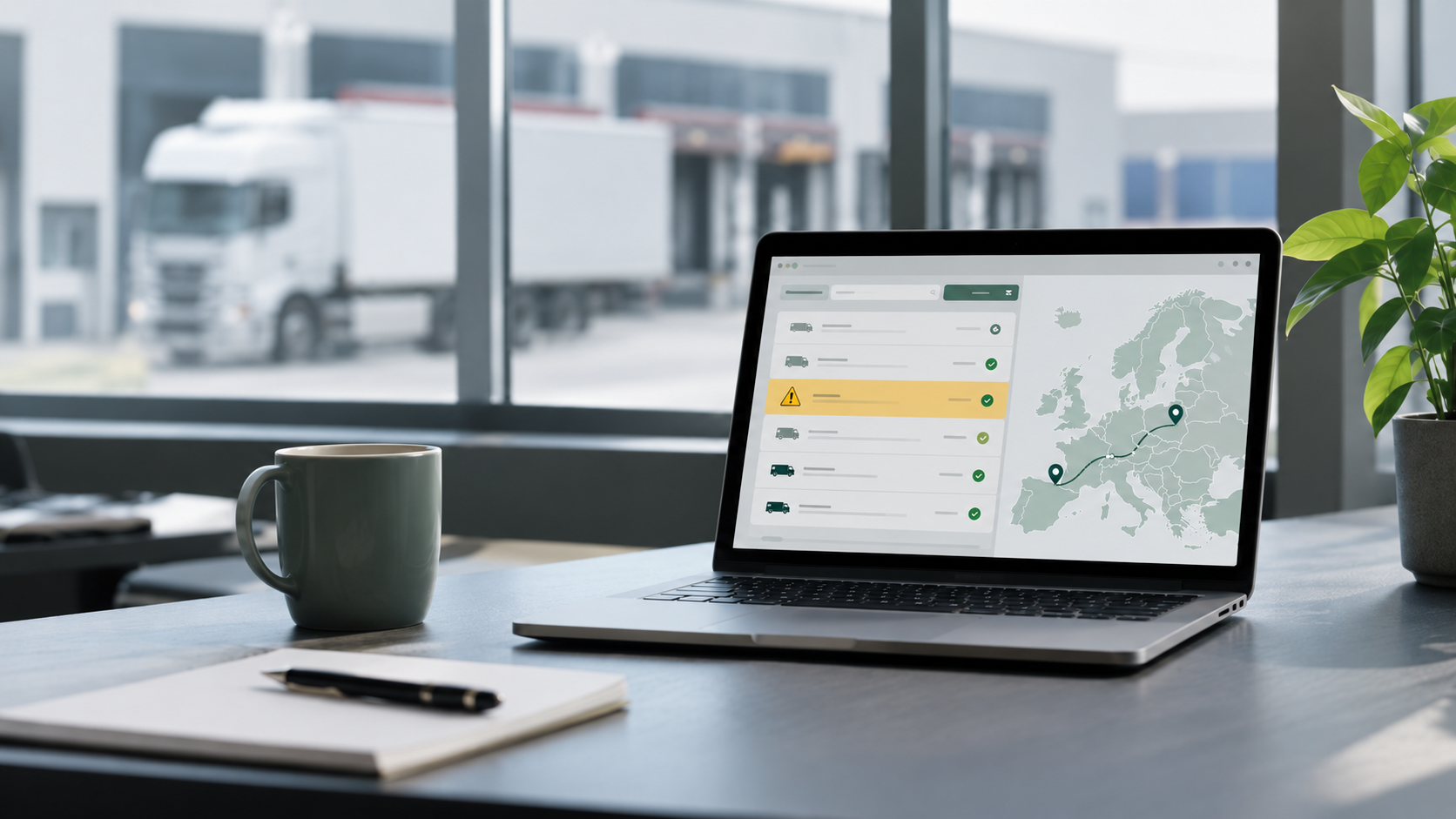
Within a 4PL Control Tower, rates, capacity, quality and performance can be monitored centrally. This provides insight into which carriers consistently perform well and where opportunities for optimisation exist. Current data can also support tenders, contract negotiations and performance reviews.
For supply chain and logistics managers, this means greater control over the entire transport network without becoming dependent on a single carrier or logistics provider.
Ultimately, the main advantage of independent carrier selection is freedom of choice. An independent 4PL has no need to fill its own trucks and can therefore determine which carrier, mode and solution best fits the organisation’s requirements.
For companies working with multiple carriers, international transport flows or complex chemical and ADR requirements, this independence can contribute to greater control, stronger compliance and structural cost optimisation.
At IDS, this independent position forms the foundation of our 4PL approach. By combining technology, data and transport expertise, we help organisations continuously substantiate carrier decisions and improve their transport network as a whole.
16 November 2026
Transport costs go beyond the freight rate. Discover 5 hidden transport costs and how better transport control can make them visible.
 11 November 2026
Discover how transport exception management helps you identify disruptions faster, take action and continuously improve transport performance.
 9 November 2026
Growing transport volumes but limited capacity? Discover how scalable transport management and outsourcing can reduce operational pressure.